
We have always been talking about visas, work visa, student visa, tourist visa, business visa, transit visa, without actually giving them a topic of their own. This is Everything you need to know about visas.
What is a Visa?
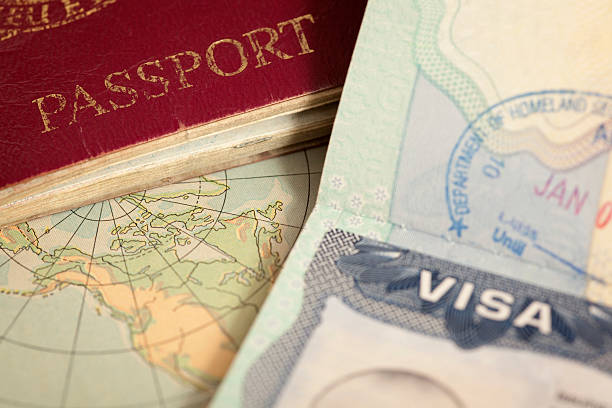
A visa is a recognized identification card that permits the holder to enter a foreign nation legally. The bearer’s passport is often stamped with the visa or secured with adhesive. There are numerous distinct visa kinds, and each grants the holder certain privileges within the host nation.
What is the meaning of a work visa
For those who want to work or conduct business in the host nation, work permits are necessary. Depending on the type of job and length of stay, there are various sorts of work visas. For instance, working holiday visas enable visitors to briefly hold down a job while exploring the nation.
What Is a Tourist Visa?
Tourist visas, also known as a travel visa enable the holder to enter a foreign country solely for tourism and leisure activities and remain there for a set period of time. The holder of these visas is not permitted to work or conduct any business in the host nation.
A Student Visa: What Is It?
A nonimmigrant visa known as a student visa or study visa enables its holder to enroll in a postsecondary educational institution in the host nation. High school exchange students from other countries often need a visa to enter the country temporarily. it can last for a period of 5years or lower, depending on your choice of country.
A Business Visa?
A business visa enables the holder to go to the destination and do business there without entering the local labor force. A person might need a business visa, for instance, if they are visiting a nation to conduct business with another organization or if they are going to a business conference. Usually, the visitor is required to provide proof that they are not citizens of the nation.
Read Also: How To Apply For Croatia Tourist Visa.
Read Also: 10 Exciting Hotel Jobs with Visa Sponsorship in Dubai 2023
A Medical visa?
You can apply for this visa in order to travel to a foreign hospital for medical treatment, diagnostic procedures, surgery, or a course of therapy. For the time of your treatment and your recuperation period, you can obtain a valid medical visa. You must submit supporting documentation from a hospital and a doctor detailing the procedure or treatment you will get in order to obtain this visa.
The meaning of a transit visa.
Travelers may occasionally need transit visas in order to pass through a nation other than their country of destination. When you have a layover that lasts longer than a few hours in a country, a transit visa is often necessary.
Other types of Visas.
1: What Is Asylum or Refuge visa?
People who are fleeing persecution, war, natural catastrophes, or other situations when their lives are in danger may be awarded refugee visas or asylum visas.
2: A Working Holiday Visas.
The use of a working holiday visa permits the holder to take up temporary employment while traveling. Not all nations have working-holiday programs. The most well-known of these programs is in Australia.
3: A Spousal Visas.
When a couple does not share a nationality, spouse visas enable them to travel together.
4: An E-visa

A digital visa known as an E-visa is one that is saved in a database as opposed to being stamped or adhered to the bearer’s passport. The E-visa is connected to the passport number of the applicant. Typically, E-visa applications are submitted online, and the applicant receives a paper copy of their application to exhibit while traveling.
5: Digital Nomads Visa:
A number of nations grant them to visitors. You can work remotely for a company with this visa from the nation that issues it. Additionally, this visa allows you to stay abroad for up to a year.
Pilgrimage Visa:
These visas are available for religious activities including attending religious events or rituals. For instance, every year, a large number of tourists from all over the world enter Saudi Arabia on pilgrimage visas known as Hajj visas.
Nonimmigrant vs. Immigrant visas.
There are two types of travel visas: immigrant and nonimmigrant. Nonimmigrant visas only permit temporary admission into the host nation, whereas immigrant visas allow the bearer to live there permanently.
How Do Visa Policies Work?
The visa policy of a nation establishes who is allowed to enter and who is not. One country’s passport holders may be able to enter without a visa under the policy, but not another country’s passport holders. The majority of visa regulations are bilateral, which means that people of two nations generally have access to travel without a visa. For instance, people with Canadian passports can visit Grenada without a visa, whereas citizens of Grenada need to apply for one in order to visit Canada.
There are no strict guidelines that nations must follow when deciding on their visa policy. However, some common factors to take into account are the other country’s diplomatic relations, its history of illegal immigration, if any, the cost, and other factors.
Why Are Visa Restrictions in Place in Some Countries?

Countries impose visa requirements to monitor and manage the flow of travelers into and out of the nation as well as to stop illegal immigration and other criminal activity. By requiring travelers to apply for visas, the government can screen potential tourists. For instance, someone might try to emigrate to a nation with greater employment prospects in order to labor illegally there.
What Makes a Visa Required for Travel?
If you want to travel to a country that does not share a visa policy with your home country, you will need a visa.
Numerous nations have visa regulations and agreements that enable its residents to move freely among them without obtaining a visa. For instance, only legitimate travel documents are required for Canadians and Americans to visit each other’s nations. However, as the two countries do not have a visa agreement, Canadians do require visas to visit places like Bhutan.
Requirements for a visa.
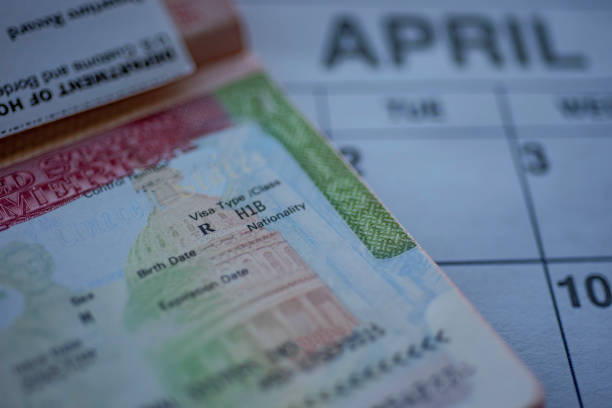
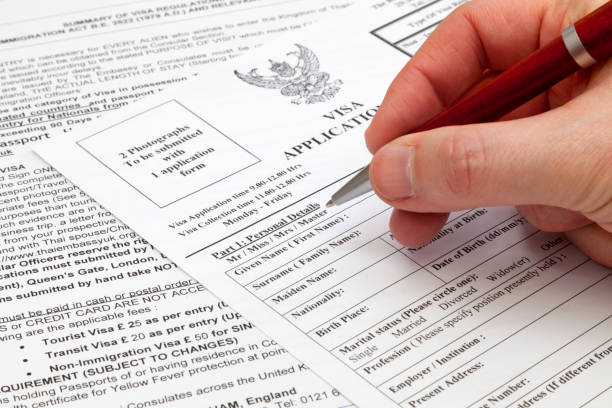
Each nation has its own requirements for obtaining a visa. To learn more, be sure to visit the relevant government website of your destination countries. The usual requirements include completing the visa application form, supplying your passport for possible stamping, a photo, and supplementary documentation like your travel schedule, hotel reservation, or letter of invitation.
When it comes to granting visas, several nations also have rules regarding who is and is not admissible. Potential visitors might not be allowed entry if they, among other things, have a criminal record, pose a security danger, suffer from a major medical condition, are struggling financially, or have another issue.
It’s very likely that your visa application will be denied if you don’t meet the standards for the country you want to visit.
What Kinds of Documents Are Necessary for Visitor Visas?

You will be required to submit supporting documents together with your primary visa application when submitting it to the embassy of the nation you wish to visit. The list of typical supporting documents is as follows:
1: Invitation letter.
2: A copy of your passport’s information page.
3: One or two photos, each of a predetermined size chosen by the visa office.
4: Evidence of funding for the journey.
5: Insurance for travel.
6: Flight tickets.
7: Proof of the destination.
8: Application fees for visas.
9: What Is a Letter of Invitation for a Visa?
Some nations, including Canada and the US, could demand that the visitor provide a letter of invitation along with their travel visa application. A formal letter from the person you wish to visit, inviting you to do so in their nation, is known as a letter of invitation. Invitation letters ensure that a temporary stay is truly the true nature of the visa request, which assists travel authorities in screening possible tourists. For information on what should be in such a letter, visit the government website of the place you wish to travel to.
What Might Happen at a Visa Interview?

The country you wish to visit could ask you to attend a visa interview after you have submitted your application. The majority of visa applications are accepted or rejected without an interview, although the immigration officer has the right to demand one. You might be questioned about the following topics at a visa interview:
• What makes you desire to visit this nation?
• Why do you wish to come now specifically?
• Have you ever been arrested?
• Whom are you going to see?
• For how long are you coming?
• Where do you plan to stay?
• Have you made airline reservations?
• Do you have travel health insurance?
• When your visit is over, will you go back home?
Read Also: How To Apply For Passport Renewal, 2023.
What Fees Are Involved in Getting a Visa?
The cost to apply for a visa varies per nation. To learn about fees, visit the immigration website of the government of your planned destination. For instance, the cost to apply for a visa to the United States is US$160.
How Long Do Visas Take to Process?
Different nations handle visa requests at various speeds. To find out how quickly visa applications are processed in the nation you plan to visit, be sure to visit their official website. For instance, processing time for Russian visa requests to visit Canada is about 8 days, while Canadians planning trips to India are recommended to submit their visa requests at least 15 days in advance.
Do follow us for more updates.